Global Implications of US-China Competition
Global Implications of US-China Competition
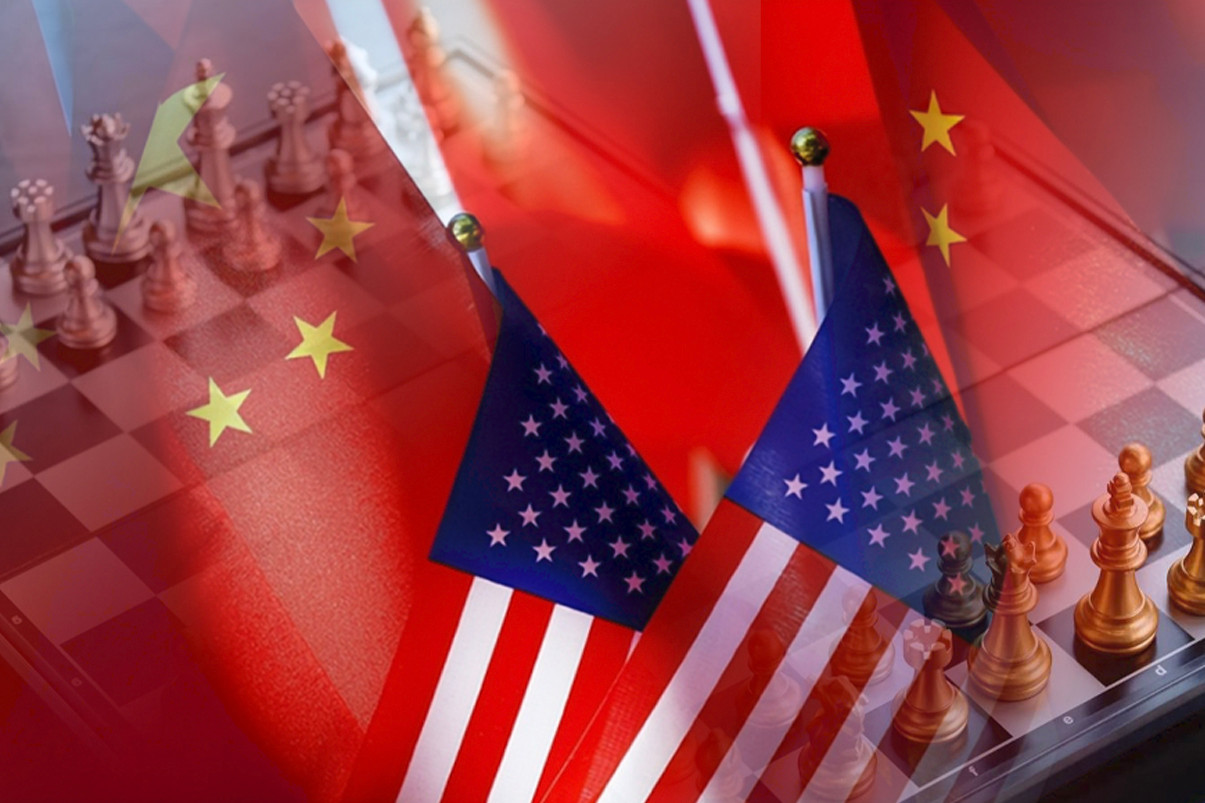
The competition between the United States and China extends far beyond a bilateral confrontation; it stands as the primary driver restructuring global economic, technological, and geopolitical landscapes. The strategic rivalry across trade, technology, finance, and military domains has directly impacted global market stability, most notably across supply chain architectures, technological innovations, investment flows, and regional security. As US-China relations grow increasingly intricate, third-party nations, including India, must formulate agile strategies to navigate this systemic competition, capturing emerging opportunities while insulating themselves from systemic risks. We provide rigorous analysis of how US-China competition reshapes global economic structures, technological paradigms, capital flows, and geopolitics, focusing heavily on how these dynamics influence India's strategic choices and its evolving position in global governance.
-
Impact of the US-China Trade War on the Global Economy: Tracking tariff expansions, trade diversion effects, and global growth decelerations.
-
US-China Tech Rivalry and Global Supply Chains: Analyzing decoupling trends in semiconductors, AI, and telecommunications infrastructure.
-
Geopolitical Conflicts Between the US and China and Their Impact on Regional Stability: Assessing flashpoints in the Indo-Pacific and their ripple effects on neighboring securities.
-
Strategic Maneuvering Between the US and China in International Financial Markets: Examining currency competition, global capital flow realignments, and financial sanctions.
-
Competition and Cooperation Between the US and China within International Organizations: Investigating institutional deadlocks, alternative framework buildings, and rare consensus areas.
-
Impact of US-China Competition on Emerging Economies: Analyzing the risks and strategic hedging maneuvers executed by developing nations.
